Dental Implants Calabasas CA for Patients With One Missing Tooth
Losing one tooth can seem minor on paper and feel anything but minor in real life. Patients often tell me the same thing in different words: they can function, but nothing feels quite right. Food catches in the space. Smiling becomes deliberate instead of automatic. The bite shifts in subtle ways that are hard to describe until they start causing daily irritation. A single missing tooth, especially if it is visible when you speak or laugh, tends to affect far more than appearance.
That is why single-tooth replacement deserves careful planning. Among the available options, a dental implant is often the closest thing to replacing both the root and the visible crown of a natural tooth. For many people researching Dental Implants Calabasas CA, the real question is not whether implants are popular. It is whether an implant makes sense for one missing tooth, in their mouth, at their age, with their budget, timeline, and goals.
The short answer is yes, often it does. The longer answer depends on details that matter.
Why one missing tooth is worth treating properly
A lone gap has a way of creating problems quietly. Adjacent teeth can drift over time. The opposing tooth may begin to overerupt, which means it gradually moves farther into the empty space because it no longer meets resistance. That can alter the bite and create uneven pressure elsewhere. Bone in the area of the missing root can also shrink, sometimes noticeably, sometimes only enough to complicate future treatment.
Front teeth draw the most attention, but back teeth matter just as much. I have seen patients ignore a missing premolar or molar for years because it was “not visible,” only to develop food packing, gum irritation, and a bite that no longer closed evenly. Replacing one tooth is rarely just a cosmetic decision. It is a structural one.
A dental implant addresses that structure in a way a removable appliance cannot. The implant post sits in the bone where the root used to be, then supports a custom crown above the gumline. That design helps preserve bone and avoids trimming healthy neighboring teeth, which is one of the major trade-offs with a traditional bridge.
What makes a dental implant different from a bridge or partial
For a patient with one missing tooth, there are usually three broad paths: leave the space alone, place a bridge, or place an implant. Leaving it alone may seem easiest at first, but it is usually the option with the highest long-term biological cost. The mouth adapts, and not always in your favor.
A bridge can be an excellent restoration in the right situation, particularly if the teeth next to the space already need crowns. But when those neighboring teeth are healthy and intact, reducing them to support a bridge is a meaningful sacrifice. It is not a small detail. Once enamel is removed for full-coverage crowns, you cannot undo that choice.
An implant stands apart because it restores the missing tooth independently. The adjacent teeth are left alone. Cleaning is usually more intuitive than cleaning under a bridge once the patient learns the proper technique. Function tends to feel more natural as well, especially in the back of the mouth where chewing force matters.
That does not make implants the right answer for every patient. If someone has uncontrolled periodontal disease, very limited bone, certain medical conditions, or financial constraints that make staged treatment unrealistic, another option may be wiser. Good dentistry is not about pushing one solution. It is about matching the solution to the person.
Who is a strong candidate for a single-tooth implant
A good candidate generally has healthy gums, enough bone volume to support the implant, and habits that will give the restoration a fair chance to last. Non-smokers and light smokers usually heal more predictably than heavy smokers. Patients who grind or clench may still receive implants, but the planning must account for the extra force. That can affect implant size, crown design, and whether a night guard is recommended.
Age alone is not the key factor people often think it is. Adults in their twenties can be excellent candidates if jaw growth is complete. Adults in their seventies can also do very well if overall health and healing capacity are reasonable. I have seen older patients adapt beautifully because they are motivated, careful, and consistent with maintenance.
What matters more is the condition of the site. If the tooth was lost recently, the bone may still be favorable. If it has been missing for years, some shrinkage is common. That does not automatically rule out treatment, but it can change the plan. In some cases, bone grafting becomes part of the conversation.
The role of timing after tooth loss
Timing often shapes complexity. When a tooth is removed, there is a window in which preserving bone is easier than rebuilding it later. Sometimes an implant can be placed immediately after extraction. Sometimes it is better to wait for healing first. The decision depends on infection, bone integrity, gum tissue, bite forces, and whether primary stability can be achieved at placement.
Immediate placement sounds attractive, and in the right case it can shorten treatment and preserve tissue contours. But it is not a shortcut that should be forced. If a tooth is removed because of a large infection, a vertical root fracture, or significant bone loss, delaying implant placement may be the safer and more predictable route.
Patients often ask whether waiting a few months matters. It can. The shape of the gums and bone can change surprisingly fast after an extraction. That is why an early evaluation is valuable, even if the patient is not ready to start treatment immediately. Knowing the condition of the site helps avoid preventable surprises.
What the process usually looks like
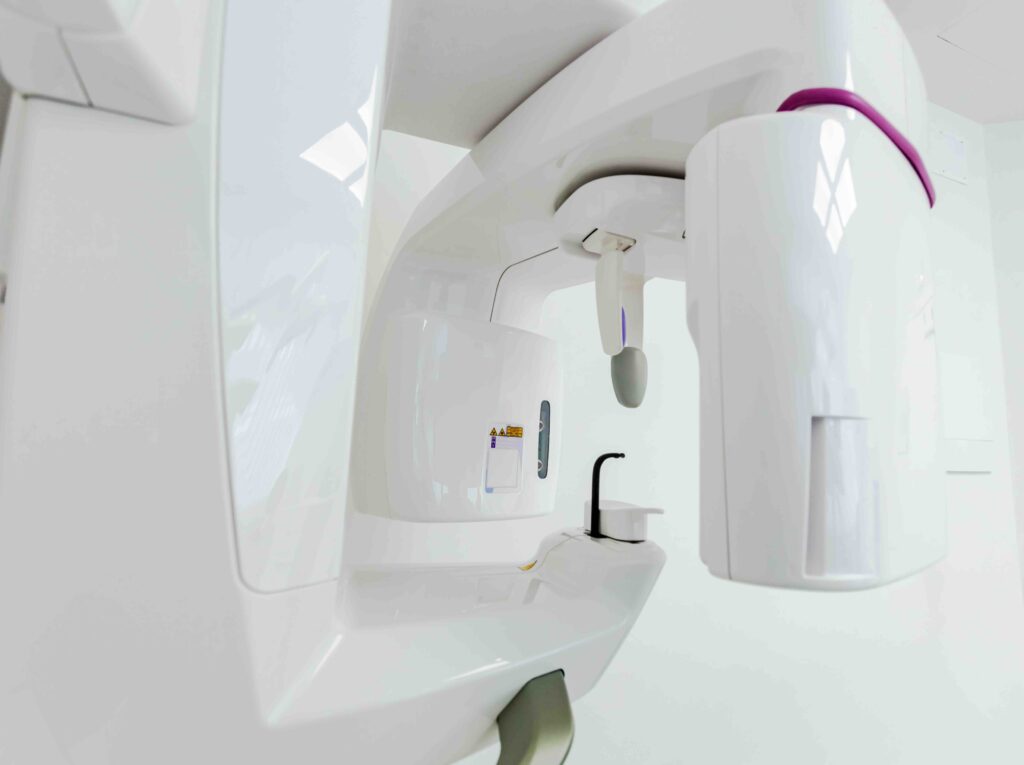
A single implant case has several phases, and the exact sequence varies. First comes diagnosis, including a clinical exam and imaging. Three-dimensional imaging is commonly used because it shows bone width, height, and important anatomical structures far more clearly than a standard two-dimensional film. That matters even for one tooth. Precision is part of what makes implants successful.
If the site is ready, the implant can be placed surgically. Many patients are relieved to learn that this appointment is often less dramatic than they expected. For one straightforward implant, the surgery is usually efficient. Local anesthesia is often enough, though some patients choose oral sedation or another form of sedation depending on comfort level and medical history.
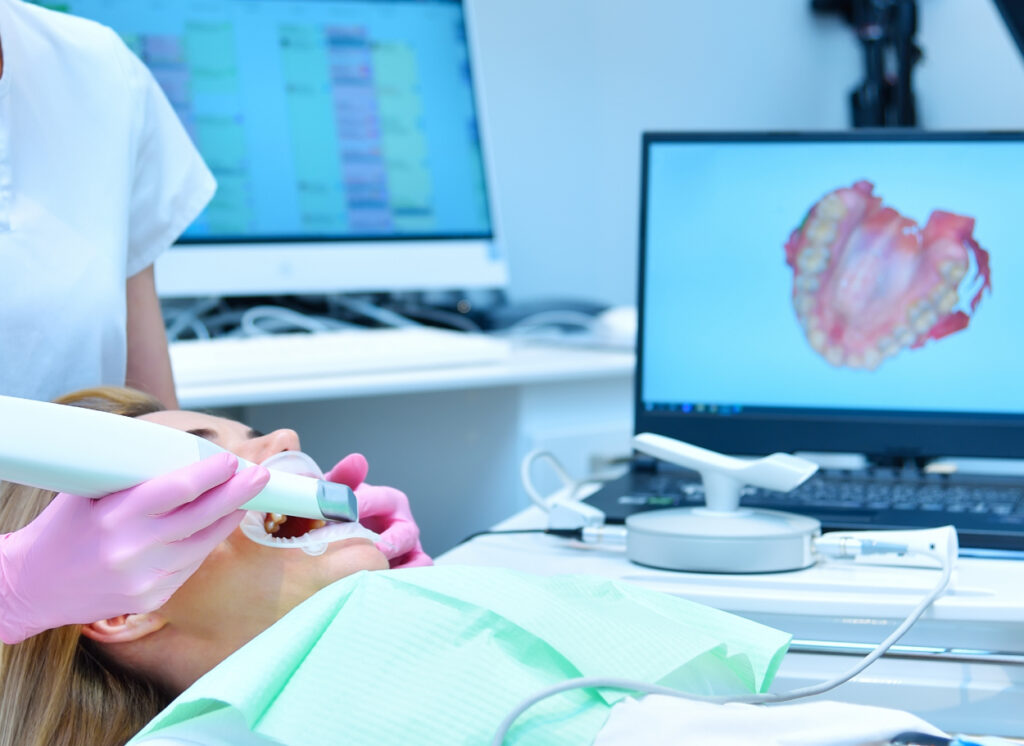
After placement, the implant needs time to integrate with the bone. This is the biological phase that cannot be rushed carelessly. In many routine cases, that healing period is measured in a few months, though it can be shorter or longer depending on implant stability, bone quality, and whether grafting was done. Once the implant is integrated, the restorative phase begins. That includes impressions or digital scans, fabrication of the custom crown, and fitting the final restoration.
For a front tooth, provisionalization deserves special mention. Patients are understandably concerned about walking around with a visible gap. There are ways to manage this, including temporary removable options, a bonded provisional in selected situations, or an immediate provisional crown when the case is ideal and the implant is very stable at placement. This part requires judgment. Appearance matters, but so does protecting the implant during healing.
Pain, recovery, and what most patients actually experience
Fear of pain keeps many people from pursuing treatment they would otherwise choose. The reality is usually more manageable than expected. Discomfort after a single implant is commonly described as soreness or pressure rather than severe pain. Many patients use over-the-counter medication, though some need prescription pain relief for a brief period. Swelling is possible, especially if grafting is involved, but it is often modest in straightforward cases.
The first few days are mostly about protecting the area and avoiding unnecessary irritation. Soft foods, careful brushing around the site, and not testing the tooth with your tongue every ten minutes make a difference. If a healing cap or temporary tooth is present, patients need clear instructions on what not to chew.
A point worth stressing is that the crown phase is typically easy. The surgery gets most of the attention, but once Dental Implants Calabasas CA the implant has healed, scanning or impression appointments and crown delivery are usually simple. Patients who are anxious often imagine the whole process will feel surgical from start to finish. It generally does not.
Bone grafting does not mean the case is failing
The phrase “bone graft” can make a patient think something has gone wrong. In many implant cases, it simply means the doctor is shaping a better environment for long-term support. If a tooth has been missing for a while, or if the socket walls are thin after extraction, grafting may help preserve or rebuild the ridge.
This matters especially in the aesthetic zone. For a single front tooth, tiny changes in gum contour can be visible when a person smiles. Volume in the right place supports both the implant and the soft tissue drape over it. Back teeth can need grafting too, particularly if there is limited width or reduced height in the upper jaw near the sinus.
Not every graft is major surgery. Some are relatively modest and placed at the same time as the implant. Others need to heal before the implant can be placed. The plan depends on what the anatomy will allow predictably, not on what sounds fastest.
The front tooth is a special category
Replacing one front tooth with an implant calls for a higher level of aesthetic planning than many people realize. Shade matching the crown is only part of the job. The position of the implant, the thickness of the surrounding gum tissue, the shape of the emergence profile, and the symmetry of the gumline all influence whether the final result looks natural.
A front implant can be technically successful and still look “off” if these details are not respected. That is why patients with a missing central incisor or lateral incisor benefit from a careful discussion about expectations. Sometimes orthodontic movement is needed before implant placement to create the right amount of space. Sometimes a graft improves the tissue architecture. Sometimes the neighboring teeth have wear, discoloration, or old restorations that affect how the final crown should be designed.
This is one area where experience shows. The difference between acceptable and excellent often comes down to planning the soft tissue as seriously as the implant itself.
Back teeth have their own demands
A single missing molar or premolar may seem simpler because aesthetics are less critical, but function becomes the main challenge. Back teeth take heavy chewing loads. If the patient clenches, chews ice, or has a history of cracked teeth, the implant crown must be designed with force management in mind. Contacts, cuspal anatomy, and material choice all matter.
A crown that is too wide or too tall can create problems, even if the implant is well integrated. I have seen patients who were pleased that the gap was gone, only to return months later with sore muscles or a bite that felt “high” because the occlusion was not ideal. Fine adjustments are part of quality care. A single-tooth implant is not only about placing hardware. It is about making the restored tooth coexist with a living bite.
Cost, value, and the long view
Single-tooth implants usually cost more upfront than the least expensive alternatives. There is no point pretending otherwise. The surgical phase, restorative components, imaging, and potential grafting all contribute to the fee. In Calabasas and similar markets, fees can vary significantly based on complexity, materials, technology, and the experience of the clinicians involved.
What patients should weigh is not just the initial number, but the total value over time. A bridge may cost less at first, yet it commits two neighboring teeth to full coverage. If those teeth later need retreatment, replacement cost rises. A removable flipper may be inexpensive, but it does not function or feel like a fixed tooth and does little to protect bone.
That does not mean the highest-fee implant option is automatically the best one. It means patients should compare like with like. Ask what is included, whether the quoted fee covers the final crown, whether grafting is separate, and what happens if additional treatment becomes necessary. Transparent financial conversations tend to produce better decisions and fewer resentments.
Questions worth asking during a consultation
A consultation should leave you with clarity, not just enthusiasm. If you are considering Dental Implants Calabasas CA for one missing tooth, a few focused questions can help you separate a tailored plan from a generic sales pitch.
- Am I a candidate for immediate placement, or is delayed placement safer in my case?
- Will I need a bone graft or soft tissue graft to improve long-term support or appearance?
- What temporary tooth options do I have while the implant heals?
- How will my bite, grinding habits, or gum health affect the design and longevity of the implant crown?
- What costs are included in the treatment estimate, and what could change that number?
Those questions tend to reveal how thoroughly the case has been considered. A thoughtful answer is usually specific to your anatomy and goals, not broad reassurance.
Maintenance is simple, but not optional
Once the implant crown is in place, patients often want to treat it like a permanent appliance that needs no attention. It is durable, yes, but it still sits in a biological environment. The gums and bone around an implant can become inflamed if plaque control is poor. Implants do not get cavities, but they can develop peri-implant disease, which is not a problem anyone wants to discover late.
Good maintenance means brushing carefully at the gumline, cleaning between teeth or around the implant with the aid your dentist recommends, and keeping recall visits. Some patients do well with floss. Others use interdental brushes or a water flosser as part of their routine. Technique matters more than buying every product on the shelf.
If you grind your teeth, a night guard may protect both the implant crown and your natural teeth. Patients sometimes resist this Dental Implants Calabasas CA because the implant feels “strong.” Strength is not the only issue. Repetitive force can loosen screws, chip porcelain, or overload other parts of the bite. Prevention is cheaper than repair.
When an implant may not be the best immediate choice
There are situations where pausing is the smart move. Active periodontal disease should be stabilized first. Poorly controlled diabetes may increase healing risks. Heavy smoking can compromise outcomes, especially when grafting is involved. Severe clenching without willingness to wear a night guard raises concerns. Limited finances may also favor a staged approach, such as preserving the site now and placing the implant later.
This is not a failure of candidacy. It is often a sequencing issue. A patient may not be an ideal candidate today and may become one six months from now with better gum health, smoking reduction, or a more manageable treatment plan. Ethical treatment planning leaves room for that.
Choosing the right team in Calabasas
For a single missing tooth, skill matters more than the case’s apparent simplicity would suggest. Patients searching for Dental Implants Calabasas CA should look beyond marketing language and focus on practical indicators: thorough diagnostics, clear explanation of alternatives, realistic discussion of risks, and evidence that aesthetic and functional details are being considered.
You want a team that treats the implant as part of a whole mouth, not an isolated screw and crown. That means evaluating gum health, bite patterns, smile line, neighboring teeth, and long-term maintenance from the start. In some offices, the surgeon and restoring dentist are the same person. In others, they collaborate closely. Either model can work well when communication is strong.
The best consultations usually feel measured rather than rushed. You leave understanding why the plan was chosen, what the timeline is likely to be, where the uncertainties are, and what success will actually require from you.
The result patients usually notice most
People often expect the biggest change to be visual, especially if the missing tooth is in front. Appearance matters, of course, but many patients comment first on something else: relief. Relief that food no longer traps in the space. Relief that they can chew evenly. Relief that they are no longer thinking about the missing tooth several times a day.
That is what a well-planned single-tooth implant should provide. Not attention, not novelty, but normalcy. The restored tooth should feel integrated into daily life. It should support your smile, your bite, and your confidence without asking to be noticed.
For the right patient, a single dental implant is not an excessive solution for one missing tooth. It is often the most conservative long-term solution because it protects what remains while replacing what was lost. When the diagnosis is careful and the execution is precise, one implant can solve a surprisingly large problem with a result that feels calm, stable, and very close to natural.
Oaks Dental
5000 Parkway Calabasas, Suite 308
Calabasas, CA 91302, United States
Phone: +1 (818) 412-8349
FAQ About Dental Implants Calabasas CA
How much does a dental implant cost in California?
Costs vary with the number of teeth replaced, restoration type, imaging, and any extractions or bone grafting. Request an itemized estimate after an examination; a single advertised price may not include every treatment stage.
Can people with autoimmune disease get dental implants?
Some people may qualify, but the condition, medications, oral health, and healing risks require individual assessment. Share your medical history with your dentist, who may coordinate with your treating physician.
Can you have dental implants if you have osteopenia?
Osteopenia does not by itself establish whether implants are suitable. Your dentist must evaluate jawbone support and review bone-related medications and other risks before recommending treatment.