How Lifestyle Choices Affect Dental Implant Success
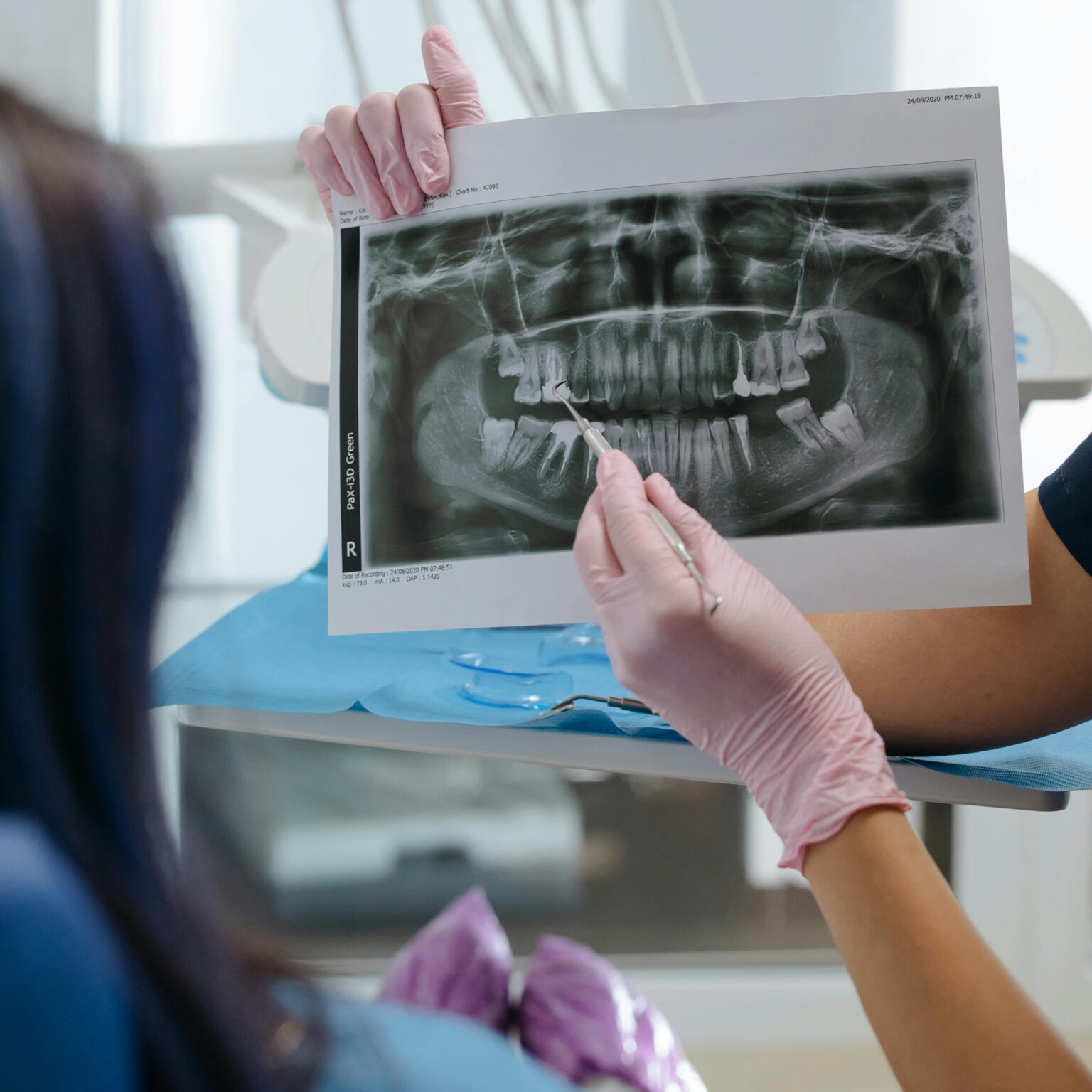
Dental implants have transformed restorative dentistry because they can replace missing teeth in a way that feels stable, functional, and long-lasting. For many patients, an implant is the closest thing to getting a natural tooth back. It anchors into bone, supports a crown, and helps preserve chewing ability and facial structure. Yet the surgery and the hardware are only part of the story. What happens before and after placement often matters just as much.
People sometimes hear that implants have high success rates and assume the outcome is mostly determined in the operatory. In practice, daily habits can push a good case toward an excellent result, or slowly undermine it. I have seen textbook implant placements heal beautifully in one patient and struggle in another, not because the titanium behaved differently, but because sleep, smoking, oral hygiene, stress, diet, and follow-up care created very different healing environments.
Success with Dental Implants is rarely about one heroic choice. It is usually the product of many ordinary decisions repeated over time. That is what makes lifestyle so important. Bone and gum tissue respond to what the body experiences every day.
What “success” really means with an implant
A successful implant is not simply one that survives the surgery. It needs to integrate with the jawbone, remain stable under bite forces, stay surrounded by healthy gum tissue, and support a restoration that functions comfortably. Ideally, the patient should be able to chew without pain, clean around the implant easily, and maintain healthy tissues for many years.
There is a useful distinction between short-term success and long-term success. Short-term success means the implant heals, osseointegrates, and is ready to restore. Long-term success means that years later, the bone level remains stable, inflammation is controlled, and the implant remains functional. Lifestyle choices affect both phases, but they are especially important over the long haul, when small lapses accumulate.
This is why a dentist or oral surgeon may ask questions that seem unrelated to teeth. Do you smoke? How well-controlled is your diabetes? Do you grind your teeth? Have you lost weight recently, or changed medications, or started a high-sugar sports drink habit? Those details can be clinically significant because implants live in a biologic system, not a vacuum.
Healing is biology, not just mechanics
An implant is a medical device, but its stability depends on living bone and soft tissue. After placement, the body begins a sequence of healing events. Blood supply, inflammation control, cellular activity, and bone remodeling all play a role. If those processes are supported, the implant has a strong chance of integrating well. If they are impaired, the risks rise.
That point can be hard to appreciate because implants look solid and engineered. Patients often focus on the screw-like shape and the crown they will eventually see in the mirror. What they cannot see is the daily work the body must do to accept and maintain that implant. Good healing requires oxygen delivery, nutrition, stable blood sugar, low bacterial burden, and protection from excessive force. Many lifestyle choices influence exactly those variables.
A useful way to think about it is this: the surgeon creates the conditions for success, but the patient’s habits help determine whether those conditions are preserved.
Smoking remains one of the clearest risk factors
If I had to pick one lifestyle factor that repeatedly complicates implant outcomes, smoking would be near the top of the list. Nicotine constricts blood vessels. Tobacco smoke exposes tissues to compounds that impair wound healing and alter immune response. Smokers also tend to have a higher risk of gum disease and bone loss, both of which threaten implant stability.
In real clinical terms, smoking can affect early healing after surgery and later maintenance around the implant. The first problem is reduced blood flow to healing tissues. The second is a greater tendency toward inflammation, plaque accumulation, and peri-implant disease. Some smokers do fine for a while, then return years later with bleeding gums, deep pockets around the implant, and bone loss visible on radiographs.
Not every smoker will lose an implant, and not every nonsmoker will keep one forever. Dentistry rarely works in absolutes. But smoking shifts the odds in the wrong direction. Heavy smoking is worse than light smoking, and combining smoking with poor oral hygiene or uncontrolled diabetes compounds risk further.
For patients planning Dental Implants, temporary smoking reduction is better than no change, but stopping altogether around the surgical and healing period is much better. A patient who quits before surgery and stays off tobacco through osseointegration usually gives the implant a more favorable start. The ideal outcome is long-term cessation, because the maintenance phase matters just as much as the healing phase.
Oral hygiene can protect a great implant or quietly sabotage it
An implant cannot decay like a natural tooth, but the surrounding tissues can absolutely become diseased. That surprises many patients. They assume that because the implant is made of metal and ceramic, brushing matters less. The opposite is often true. Plaque control around implants is critical because inflammation in the gums and underlying bone can lead to peri-implant mucositis and peri-implantitis.
Peri-implant mucositis is inflammation confined to the soft tissue, somewhat analogous to gingivitis. It is often reversible if caught early. Peri-implantitis involves bone loss around the implant and is much more serious. By the time a patient notices discomfort or mobility, the damage may already be significant.
I have seen patients who were meticulous Dental Implants with their natural teeth become surprisingly casual once an implant crown was placed. They stop flossing, skip maintenance visits, and assume the problem has been solved permanently. A year or two later, bleeding around the implant reveals a preventable problem.
Good home care does not need to be elaborate, but it does need to be consistent. The specifics vary by implant position and restoration design, yet the principle is simple: disrupt plaque daily and let your dentist or hygienist monitor tissue health regularly.
Here are the habits that tend to make the biggest difference:
- Brushing thoroughly twice a day, with particular attention to the gumline around the implant crown.
- Cleaning between teeth and around the implant with floss, interdental brushes, or other tools recommended for that specific restoration.
- Keeping routine hygiene visits, because professional maintenance often detects inflammation before the patient feels anything.
- Reporting bleeding, bad taste, tenderness, or a sense that the crown feels different under bite pressure.
- Following the cleaning method shown by the treating team rather than improvising with tools that may be too aggressive.
That last point matters. Some implants are restored with single crowns, others with bridges or full-arch prosthetics. The cleaning approach for each can differ quite a bit. A patient with a single back-tooth implant may do well with a small interdental brush, while someone with a full fixed bridge may need a more specific routine using threaders or a water flosser. The best oral hygiene plan is the one tailored to the restoration actually in the mouth.
Diet influences healing more than most people expect
Nutrition affects dental implant success in two phases. First, the body needs raw materials to heal after surgery. Second, the tissues need an ongoing environment that supports low inflammation and metabolic health.
In the early phase, patients who eat poorly after surgery sometimes make recovery harder than it needs to be. A soft-food diet does not mean a nutrient-poor diet. There is a big difference between living for a week on ice cream and mashed potatoes versus eating soft proteins, yogurt, eggs, cooked vegetables, smoothies without excessive sugar, soups, and other balanced foods. Healing tissue needs protein, vitamins, minerals, and calories. Under-eating can be a problem, particularly in older adults who already struggle to meet protein needs.
Over the longer term, patterns matter more than any single meal. Diets high in sugar and ultra-processed foods can worsen oral health indirectly through plaque-promoting habits and systemically through inflammation and poor glycemic control. This is especially relevant for patients with diabetes or prediabetes. Frequent sipping of sweetened beverages, sports drinks, or energy drinks also creates a habit environment that is not friendly to oral tissues.
A sensible implant-supportive diet is not trendy or exotic. It usually looks like what physicians have been recommending for years: adequate protein, fruits and vegetables, reasonable carbohydrate control, hydration, and moderation with alcohol and sugar. Patients often ask about supplements, and while some may be appropriate in cases of deficiency, no supplement can compensate for smoking, plaque accumulation, or unmanaged disease.
Diabetes and blood sugar control change the picture
Not every lifestyle issue is visible in the bathroom mirror. Blood sugar control is one of the best examples. Patients with well-managed diabetes can often receive implants successfully, but poorly controlled diabetes can interfere with wound healing, increase infection risk, and complicate long-term maintenance.
The reason is not mysterious. Chronic high glucose affects circulation, inflammatory response, and tissue repair. It also tends to increase susceptibility to periodontal problems. When that biology surrounds an implant, the margin for error narrows.
This is where judgment matters. A blanket statement that “diabetics cannot get implants” is wrong. So is the idea that diabetes never matters if the procedure is technically excellent. The more accurate view is that control matters. A patient who knows their numbers, takes medication consistently, follows medical advice, and attends regular dental maintenance has a very different risk profile from a patient whose diabetes is unmanaged.
Clinicians often coordinate with a patient’s physician when needed, especially in more complex cases involving grafting, multiple implants, or a history of periodontal disease. That kind of teamwork improves predictability.
Alcohol, sleep, and stress are quieter influences
These factors are often overlooked because they do not carry the same immediate warning label as tobacco. Still, they matter.
Alcohol can be an issue in several ways. Heavy use may affect healing, medication compliance, inflammation, and oral hygiene habits. Some patients drink more heavily during stressful periods and also become less consistent with brushing or follow-up care. A moderate social drinker is not the same as a patient whose alcohol use disrupts sleep, nutrition, and routine. The context matters.
Sleep matters because healing is metabolically expensive. Chronic sleep deprivation is associated with poorer immune function, more systemic stress, and sometimes worse glycemic control. It also tends to cluster with other habits that impair health, such as irregular eating and missed self-care. Patients recovering from implant surgery generally do better when they rest well, follow post-operative instructions, and avoid turning the healing period into an afterthought.
Stress deserves mention because it often changes behavior before it changes tissue. Stressed patients may clench, grind, smoke more, eat poorly, and skip hygiene appointments. I have seen more than one implant complication emerge during a life crisis not because stress directly “caused” failure, but because it shifted several protective habits at once.
Bite forces, clenching, and grinding can overload implants
Implants do not have the same shock-absorbing ligament that natural teeth have. That makes them wonderfully stable, but it also means they can be less forgiving under excessive force. Patients who clench or grind, especially at night, may place repeated stress on the implant, the abutment, the crown, or the surrounding bone.
This does not mean people who grind their teeth cannot have implants. Many do very well. It does mean planning and protection become more important. Sometimes the crown design is adjusted to reduce overload. Sometimes a night guard is recommended. Sometimes the location of the implant affects the level of concern. A single implant in a low-force area is different from a full-mouth rehabilitation in a patient with severe parafunction.
The tricky part is that many patients do not know they grind. They come in with fractured fillings, worn edges on front teeth, tension headaches, or jaw soreness, but have never linked those symptoms to bite force. If an implant is planned in that setting, the lifestyle piece includes awareness and protection. Ignoring grinding is one of those avoidable mistakes that may not show consequences immediately, but can become expensive later.
The role of exercise and general health
Regular exercise supports circulation, metabolic health, and overall resilience. It is not a direct guarantee of implant success, but it tends to travel with healthier patterns that support healing. People who are active often manage weight better, sleep better, and control chronic disease more effectively. All of that can help create a more favorable environment for implants.
That said, timing matters. After surgery, patients need to respect activity restrictions. Returning to strenuous exercise too quickly can increase bleeding, swelling, and discomfort. For some people, especially those with physically demanding jobs or high-intensity workout routines, this requires clear planning. A marathon training week and a fresh implant placement are not ideal companions.
General health habits also include medication adherence, hydration, and attending follow-up visits. An implant patient who faithfully takes prescribed medications, uses antimicrobial rinses if instructed, keeps the surgical site clean, and returns for review usually does better than a patient who treats the procedure casually.
When age matters less than habits
Many people assume dental implant success is mostly an age question. They worry that being in their sixties or seventies automatically lowers their chances. Age can matter in certain ways, but in daily practice, habits and health status are usually more informative than the calendar alone.
I have seen older patients with excellent oral hygiene, stable medical conditions, good bone quality, and strong compliance sail through implant Dental Implants treatment. I have also seen younger patients struggle because they smoke heavily, miss appointments, grind their teeth, and avoid maintenance. Biological age and functional health are not always the same thing.
Bone quality, gum condition, medical history, and behavior often tell a more useful story than age by itself. That can be reassuring for older adults considering implants. The better question is not “Am I too old?” but “Am I prepared to support this implant properly?”
The first year sets the tone
There is a pattern many clinicians recognize. Patients who build good habits in the first year after implant placement often maintain those habits for years. Patients who are inconsistent early tend to remain inconsistent. The first year is when the routines become real.
This is when patients learn how the restoration feels, how to clean around it, what follow-up schedule works for them, and whether they need adjustments for bite force or maintenance. It is also when complacency can sneak in. Once the crown looks good and chewing feels normal, urgency drops. That is exactly when long-term success starts depending on mundane discipline.
A useful mindset is to treat the implant as a lifelong restoration that requires stewardship. Not anxiety, not obsession, just stewardship. The implant should disappear into normal life in the sense that it works well, but not in the sense that it is forgotten.
Practical choices that improve the odds
Most implant failures are not the result of one dramatic event. They are more often the result of cumulative strain, inflammation, or neglected disease. The encouraging part is that many of the protective steps are achievable.
Patients who tend to do best usually share a few patterns:
- They enter treatment with realistic expectations and understand that implants still require maintenance.
- They reduce or stop smoking, especially during healing, and ideally for good.
- They keep plaque under control at home and attend regular professional cleanings.
- They manage health conditions such as diabetes with consistency rather than guesswork.
- They take bite issues seriously, including night guards when recommended.
None of these steps is glamorous, and none is new. That is part of the point. Dental implant success often depends less on novelty and more on disciplined basics.
Why judgment matters more than rigid rules
It is tempting to look for a simple formula: never smoke, brush perfectly, eat well, and your implant will last forever. Real life is more complicated. Some patients have excellent habits and still face anatomical challenges or a history of aggressive periodontal disease. Others have a few risk factors yet do well because those risks are recognized and managed early.
That is why good implant care blends science with judgment. A patient who quit smoking six weeks ago, uses a night guard, has controlled diabetes, and is deeply motivated may be a stronger candidate than a younger patient who dismisses maintenance and refuses to change harmful habits. The details matter.
This also means the best advice is individualized. One patient needs help with tobacco cessation. Another needs periodontal therapy before implant placement. Another needs a less plaque-retentive restoration design because dexterity is limited. Another needs a frank conversation about heavy alcohol use or bruxism. Success is rarely about delivering the same script to everyone.
Dental Implants are one of the most reliable tools in modern dentistry, but reliability is not immunity. The implant depends on the body that carries it and the habits that shape that body every day. For patients willing to protect their investment with thoughtful choices, the payoff is often substantial: stable chewing, preserved bone, improved comfort, and a restoration that serves well for many years.
Oaks Dental
5000 Parkway Calabasas Suite 308
Calabasas, CA 91302, United States
+1 818-431-2000
FAQ About Dental Implants
What is the downside of a dental implant?
Implants require surgery and a healing period that can last several months. Possible complications include infection, nerve or sinus injury, damage to nearby teeth and failure to bond with bone. Your dentist should assess your health, bone support and alternatives before recommending treatment.
What do dental implants typically cost?
There is no single price for every implant case. The number of teeth replaced, implant components, final restoration and any grafting or extractions affect the total. Request a written estimate covering every stage and confirm insurance benefits and out-of-pocket costs with the practice.
How long do tooth implants last?
An implant can provide long-term support and may last a lifetime with good oral hygiene and regular dental care, but this is not guaranteed. The crown or other restoration may need replacement sooner. Smoking, gum disease and some health conditions can reduce implant success.