The Health Benefits of Dental Implants in Calabasas CA
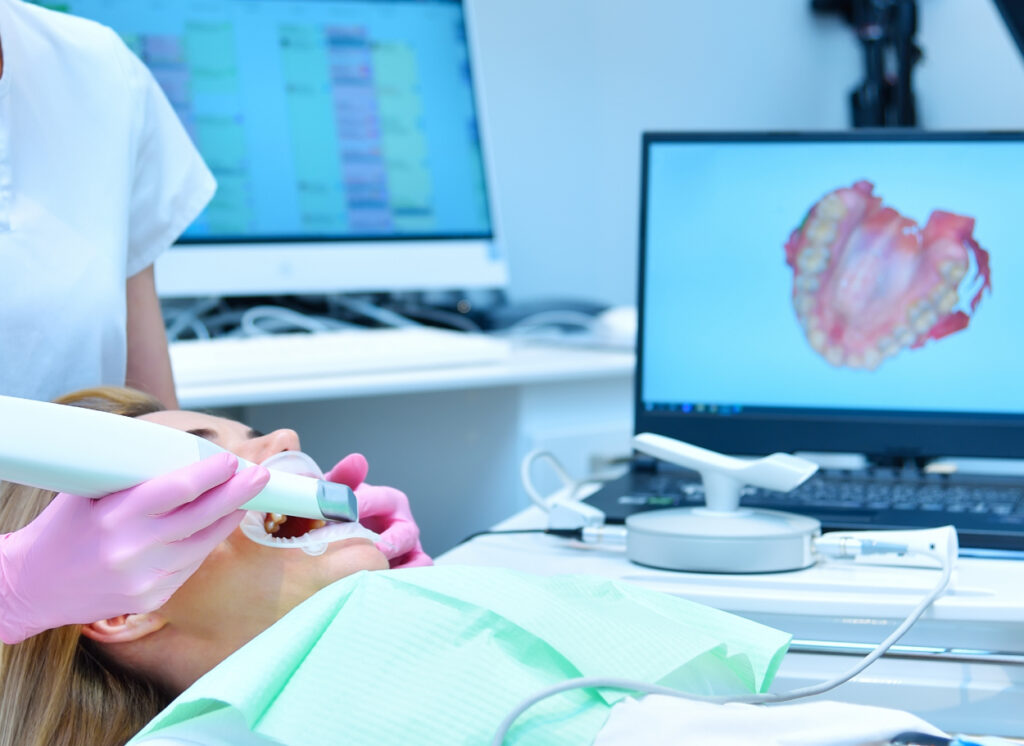
A missing tooth changes more than a smile. It alters how a person chews, how clearly certain words come out, and often how comfortable they feel in social settings. In practice, the effects tend to build gradually. A patient may start by avoiding one side of the mouth while eating. Then they stop ordering steak, apples, or crusty bread. Months later, they notice a small collapse in the gums or a slight shift in neighboring teeth. What looked like a cosmetic issue at first becomes a functional one.
That is where dental implants have earned their reputation. They do far more than fill a space. A well-planned implant restores stability, supports the jawbone, and helps preserve the mechanics of the bite in a way that traditional options often cannot match. For people considering Dental Implants Calabasas CA, the conversation is usually not just about appearance. It is about long-term oral health, daily comfort, and preventing a small problem from becoming a larger one.
Why losing a tooth affects overall oral health
Teeth work as a coordinated system. Each one supports the next, not by touching constantly, but by helping maintain spacing, chewing balance, and the way force moves through the jaw. When one tooth is lost, that system adapts, and not always in a healthy way.
One of the most significant changes happens beneath the gums. Natural tooth roots stimulate the jawbone every time a person bites or chews. That pressure signals the body to maintain bone density in the area. Once a root is gone, the stimulation disappears, and the bone can begin to shrink. This process, often called bone resorption, is one reason the face can look slightly sunken over time after tooth loss, especially if multiple teeth are missing.
The surrounding teeth also begin to react. Adjacent teeth may drift into the empty space. The opposing tooth, the one that used to bite against the missing tooth, can begin to over-erupt, moving farther than it should because it no longer has contact. Those shifts can create new bite problems, areas that trap food, and surfaces that are harder to clean. It is common to see patients come in for one missing tooth and then discover that the real issue now involves several teeth and the bite itself.
Dental implants address that chain reaction more directly than removable appliances and more independently than a traditional bridge.
What makes a dental implant different
A dental implant is designed to replace the root of a missing tooth, not just the visible crown. The implant post, usually made of titanium or a titanium alloy, is placed in the jawbone. Over time, the bone bonds with the implant surface in a process called osseointegration. Once healing is complete, an abutment and a custom crown are attached.
That root-level support is the key difference. A bridge can restore the appearance of a missing tooth, but it relies on neighboring teeth for support. A denture can replace several teeth at once, but it rests on the gums and underlying bone. An implant stands on its own. In everyday life, that often translates to greater stability, a more natural chewing feel, and less compromise to surrounding structures.
For many patients, the experience is less dramatic than they expected. Implant treatment is a surgical procedure, so it deserves respect and careful planning, but modern imaging, local anesthesia, and staged treatment have made the process highly predictable in appropriate cases.
The bone-preserving advantage
Among all the health benefits of implants, bone preservation may be the most important and the least understood by patients at first. People often focus on the crown because that is the visible part. Clinically, the preservation of the ridge is what can change the long-term trajectory of oral health.
When the jawbone shrinks after tooth loss, it can affect much more than one site. Bone loss may alter gum contours, weaken support for neighboring teeth, and complicate future treatment options. In some cases, a person who delayed treatment for years may no longer have enough bone volume for a straightforward implant placement and may need grafting first.
An implant helps reduce that progression by returning functional load to the bone. It does not make the area identical to a natural tooth in every biological sense, but it does provide enough stimulation to support bone maintenance far better than leaving the space empty. That matters in the front of the mouth, where esthetics are obvious, and in the back, where chewing forces are greater and ridge collapse often goes unnoticed until it becomes significant.
In a place like Calabasas, where many adults are active, health-conscious, and interested in long-term wellness rather than quick fixes, this preventive aspect resonates. Preserving bone is not cosmetic vanity. It is structural maintenance.
Better chewing, better nutrition, better daily comfort
Patients rarely describe a missing molar as a nutrition problem. They usually say something simpler: “I chew on the other side.” But over time, that habit can limit food choices in subtle ways. Crunchy vegetables, nuts, tougher proteins, and fibrous foods often become less appealing when chewing feels uneven or uncomfortable.
A stable implant-supported crown can restore biting efficiency in a way that feels close to natural. That matters because chewing is the first stage of digestion. Food that is chewed thoroughly is generally easier to process. More importantly, when patients feel confident biting into healthy foods again, their diets tend to improve in practical ways. They stop defaulting to softer, more processed options simply because those foods are easier to manage.
This is particularly noticeable in older adults, though not limited to them. Someone in their sixties or seventies who has adapted to missing teeth may not realize how much function they have given up until it is restored. I have seen patients become genuinely excited about simple things after treatment, eating a salad without favoring one side, enjoying grilled vegetables, or biting into fruit without hesitation. Those moments may seem small, but they are the lived benefits of stable oral function.
How implants help protect neighboring teeth
A traditional bridge can be an excellent treatment in the right circumstances, but it often requires reshaping the teeth on either side of a gap. If those teeth already have large fillings or crowns, that may be a reasonable choice. If they are healthy and intact, many clinicians and patients prefer not to reduce them.
An implant preserves those adjacent teeth because it does not depend on them for support. That independence can be a significant health advantage. Natural enamel is valuable. Once a healthy tooth is prepared for a crown, it cannot be returned to its original state. Preserving sound tooth structure is usually the more conservative path when conditions allow.
There is also the issue of hygiene. Bridges can be cleaned effectively, but they require specific tools and consistent technique under the pontic, the replacement tooth portion. An implant crown, while not maintenance-free, is often easier for patients to clean as an individual unit, especially when the restorative design is well contoured and accessible.
The impact on speech and confidence
Teeth play a role in forming sounds, particularly certain consonants. Missing front teeth can affect pronunciation, airflow, and the position of the lips and tongue. Even when speech changes are minor, people notice. They compensate, repeat themselves, or become self-conscious in conversation.
Implants can restore not only the appearance of a smile but also the architecture that supports normal speech. That is especially true in the esthetic zone, where shape, position, Dental Implants Calabasas CA and gum contour influence both phonetics and facial expression. The goal is not simply to place a tooth-shaped crown in a space. It is to recreate harmony with the lips, bite, and surrounding tissues.
Confidence may sound less medical than bone density or chewing function, but it has real health implications. People who are embarrassed by missing teeth often smile less, avoid photographs, and become more guarded in work and social settings. Stress and self-consciousness are not abstract concepts when they affect how a person communicates every day. Restoring confidence can improve quality of life in a direct, measurable way.
Gum health around implant restorations
Implants do not decay, but the tissues around them can still become inflamed if plaque accumulates. This is an important point because some patients assume an implant is maintenance-free once it is finished. It is not. The health benefit comes from having a stable, cleanable restoration, not from eliminating the need for oral hygiene.
When designed properly, an implant crown can support healthier soft tissue contours and make cleaning more manageable than a collapsing gap or a poorly fitting removable appliance. The contours matter. If the crown is bulky, if the contact points trap food, or if the emergence profile is poorly shaped, even a technically integrated implant can become difficult to maintain.
That is why the restorative phase is just as important as the surgical one. Good implant dentistry is prosthetically driven. The end result should allow the patient to floss or use recommended cleaning tools effectively, speak comfortably, and chew without creating new stress points in the bite.
Who benefits most from dental implants
Not every patient is an immediate implant candidate, but many more people qualify than they expect. Healthy adults missing one tooth, several teeth, or even a full arch may benefit. Age alone is rarely the barrier. Bone volume, gum health, uncontrolled medical conditions, smoking status, and commitment to home care usually matter more.
Some of the strongest candidates are patients who want to avoid removable appliances, those with healthy neighboring teeth they would prefer not to alter, and those who have experienced frustration with a loose lower denture. Implant support can significantly improve denture retention, especially in the lower jaw, where conventional dentures tend to move the most.
There are also edge cases that deserve careful judgment. A patient with a history of grinding may still be a good candidate, but the implant design, materials, and bite protection plan need to account for that force. Someone with diabetes may be a candidate if the condition is well controlled, but healing needs to be evaluated thoughtfully. A smoker may still receive implants, though risk counseling should be direct because smoking can affect healing and long-term tissue health.
Timing matters more than many people realize
One of the most practical health advantages of choosing implants sooner rather than later is that early treatment can simplify everything that follows. After an extraction, the bone and gum shape begin to change quickly. In selected cases, an implant can be placed immediately or soon after removal of a failing tooth. In other cases, waiting for healing is wiser. The correct timing depends on infection, bone condition, gum health, and bite forces.
What should not be ignored is the cost of delay, biologically speaking. Waiting a few months may be part of a treatment plan. Waiting several years because the space does not bother you can mean more bone loss, more shifting, and a more complicated case later. Patients are often surprised by that. They assume a missing back tooth can be dealt with whenever it becomes convenient. Sometimes it can. Often, the future version of the case is less straightforward than the present one.
The treatment process in real terms
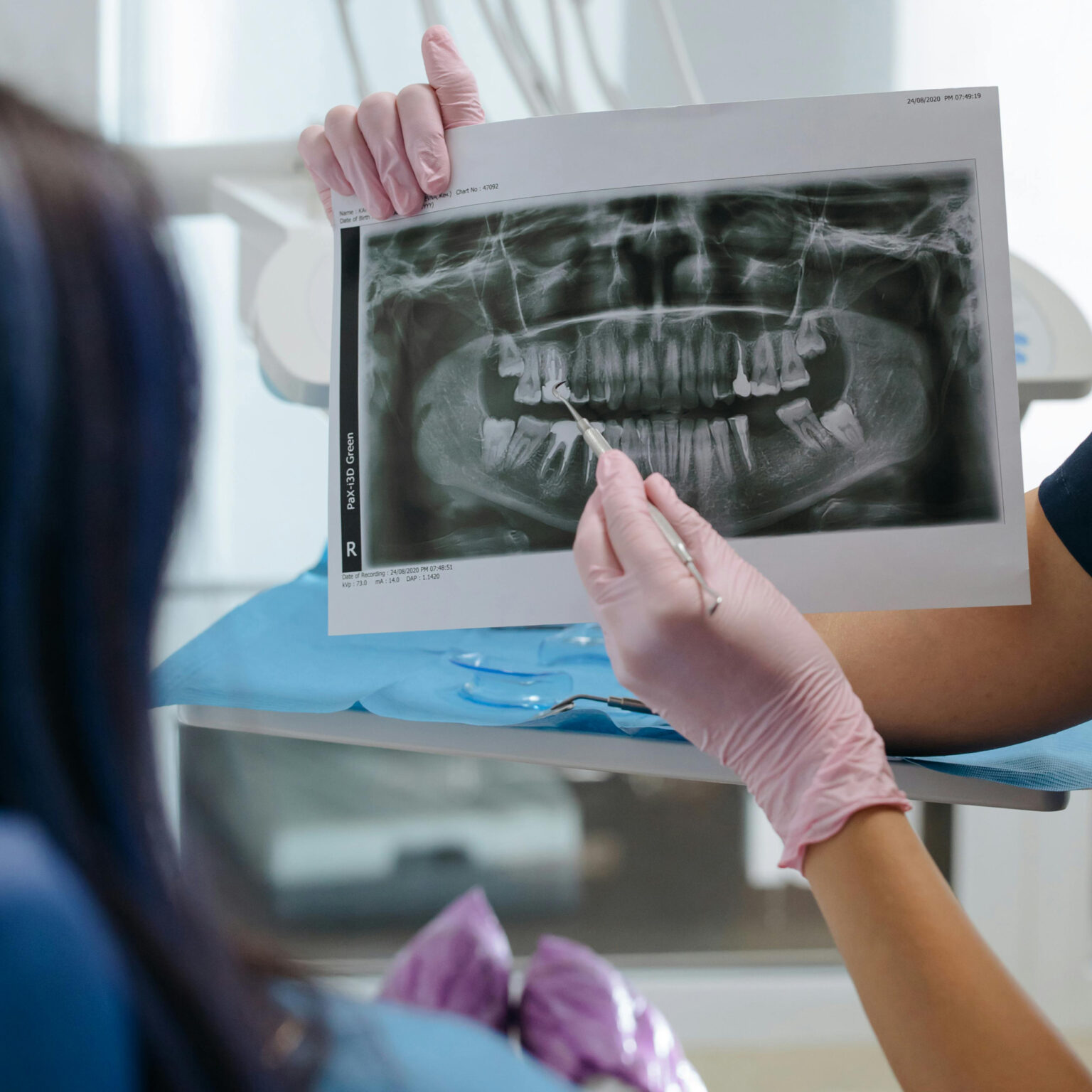
For patients exploring Dental Implants Calabasas CA, the process usually begins with a detailed exam, imaging, and a review of medical and dental history. A three-dimensional scan is commonly used to assess bone width, height, and the location of important structures like the sinus or the nerve in the lower jaw.
From there, treatment may proceed in stages. If the site is healthy and has enough bone, implant placement can be relatively efficient. If not, bone grafting or sinus augmentation may be recommended. Healing periods vary. Some cases allow for an immediate temporary tooth. Others require several months before the final crown is placed.
The average patient wants to know two things right away: does it hurt, and how long does it take? The honest answer is that discomfort is usually manageable and often less than people fear, especially compared with living with a chronically infected or fractured tooth. As for timing, straightforward cases may move along in a few months, while grafted or complex cases can take longer. Precision matters more than speed.
When an implant may not be the best first step
It is worth saying plainly that implants are excellent, not magical. There are times when another treatment is the better first move. If a patient has active periodontal disease, poor plaque control, or untreated decay throughout the mouth, those issues should usually be stabilized before implant placement. Otherwise, the implant enters an unhealthy environment from day one.
There are also situations where saving the natural tooth is the better option. A restorable tooth with good periodontal support often deserves strong consideration before extraction is discussed. Good dentistry is not about placing implants whenever possible. It is about choosing the treatment that serves the patient best over time.
Financial factors also matter. Implants are an investment, and while many patients view them as worthwhile because of their durability and function, they do require planning. A responsible conversation includes cost, maintenance, alternatives, and long-term expectations.
Long-term success depends on maintenance
Implants have strong long-term success rates in well-selected patients, but success is not automatic. The patients who do best tend to follow through on recall visits, wear a night guard if indicated, and treat implant hygiene as seriously as natural tooth hygiene.
These habits make a difference:
- Brush thoroughly along the gumline twice daily.
- Clean between teeth and around the implant with floss or clinician-recommended interdental aids.
- Keep professional maintenance appointments on schedule.
- Report any looseness, soreness, or bleeding early.
- Use a night guard if grinding or clenching is part of your bite pattern.
Bleeding around an implant should never be brushed off as trivial. While implants cannot get cavities, they can develop peri-implant mucositis or peri-implantitis if inflammation and plaque are left unchecked. Early intervention is far easier than trying to manage advanced bone loss around an implant later.
Why local expertise matters in Calabasas
Implant dentistry is not just about hardware. It is about diagnosis, planning, surgical placement, soft tissue management, bite design, and long-term maintenance. In communities like Calabasas, patients often have high expectations for esthetics, but the best results come when esthetics and function are treated as inseparable.
A clinician evaluating Dental Implants Calabasas CA should be looking beyond the obvious gap. They should assess smile line, gum biotype, bone anatomy, parafunctional habits, medical risk factors, and how the final restoration will be maintained over the next decade, not just the next month. This is especially important in visible areas, where small errors in angle or tissue support can have outsized consequences.
Local lifestyle can shape treatment choices too. An active person who hikes, works out regularly, or attends frequent professional and social events may place a high premium on a restoration that feels stable and natural from day to day. Someone who travels often may prefer a treatment plan that minimizes future surprises. These are practical quality-of-life concerns, not vanity points.
Questions worth asking before moving forward
A strong implant consultation should leave a patient better informed, not pressured. The best discussions are specific. They address what the site looks like today, what alternatives exist, and what trade-offs come with each option.
Here are a few questions that often lead to better decisions:
- Am I a candidate now, or do I need grafting or gum treatment first?
- What are the benefits of an implant in my case compared with a bridge or removable option?
- How will this restoration be cleaned and maintained at home?
- What risks do my bite, medical history, or habits create?
- What should I expect over the next five to ten years?
Those questions shift the focus from selling a procedure to understanding a plan. That is where better outcomes usually start.
A healthier mouth, not just a filled space
The strongest argument for implants is not that they look good, though they often do. It is that they help restore the mouth as a working system. They support chewing, help preserve bone, protect neighboring teeth from unnecessary alteration, and can improve speech and confidence in very practical ways. For the right patient, those benefits extend far beyond the treatment chair.
Missing teeth have a way of becoming easy to normalize. People adapt. They chew differently, smile less, and tell themselves it is manageable. Sometimes it is manageable. That does not mean it is harmless. The health value of dental implants lies in preventing adaptation from becoming deterioration.
For patients considering Dental Implants Calabasas CA, the most useful mindset is long-term. Ask what treatment will protect your oral health five, ten, or fifteen years from now. If the answer is an implant, the benefit is not just replacing what was lost. It is preserving what is still healthy.
Oaks Dental
5000 Parkway Calabasas, Suite 308
Calabasas, CA 91302, United States
Phone: +1 (818) 412-8349
FAQ About Dental Implants Calabasas CA
How much does a dental implant cost in California?
Costs vary with the number of teeth replaced, restoration type, imaging, and any extractions or bone grafting. Request an itemized estimate after an examination; a single advertised price may not include every treatment stage.
Can people with autoimmune disease get dental implants?
Some people may qualify, but the condition, medications, oral health, and healing risks require individual assessment. Share your medical history with your dentist, who may coordinate with your treating physician.
Can you have dental implants if you have osteopenia?
Osteopenia does not by itself establish whether implants are suitable. Your dentist must evaluate jawbone support and review bone-related medications and other risks before recommending treatment.