The Truth About Affordable Dental Implants

The phrase "affordable dental implants" shows up everywhere, on search results, clinic ads, financing pages, and social media posts promising a new smile for a surprisingly low price. For many people, that phrase lands with real force. Tooth loss affects how you eat, speak, work, and carry yourself. When you have been told that Dental Implants can cost several thousand dollars per tooth, an offer that sounds dramatically cheaper feels like a lifeline.
Sometimes it is. Sometimes it is not.
The truth is that affordable dental implants are neither automatically a bargain nor automatically a mistake. The price can be reasonable for good reasons, such as a lower cost of living, a streamlined clinic model, or a case that is clinically simple. It can also be low for less reassuring reasons, including omitted services, weak planning, low-grade components, rushed surgery, or poor follow-up. The problem is not low cost by itself. The problem is that most patients are comparing numbers before they understand what those numbers include.
That is where people get burned.
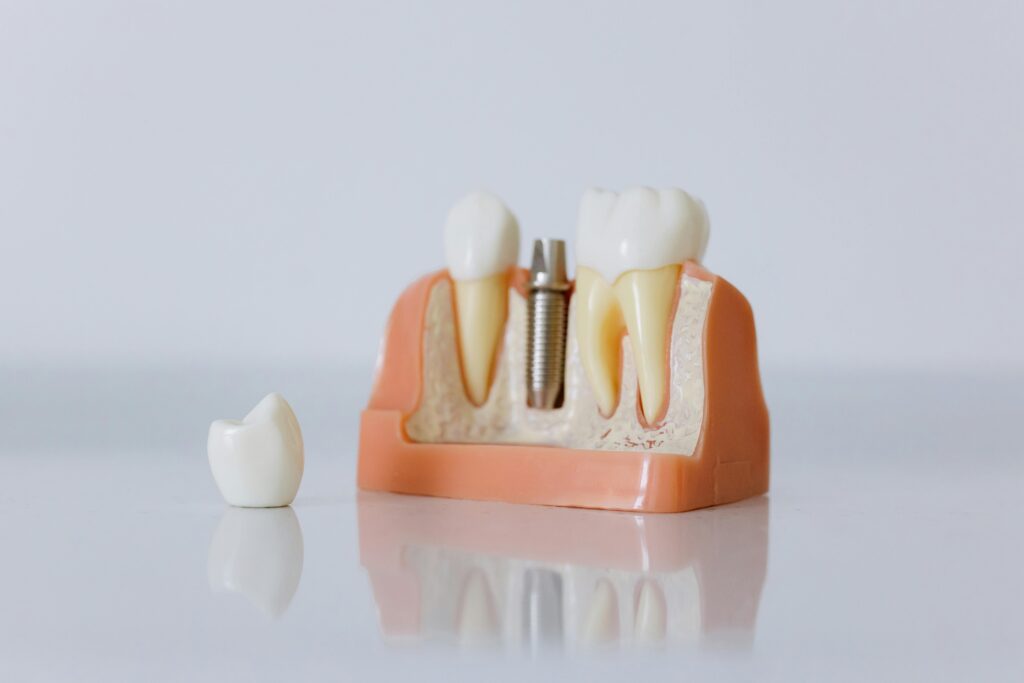
A dental implant is not a single object sold off a shelf. It is a treatment process. It often includes diagnostic imaging, treatment planning, surgical placement, healing, possible grafting, abutments, impressions or scans, temporary teeth in some cases, the final crown or bridge, and follow-up care. If one office quotes $1,999 and another quotes $4,500, they may not be talking about the same thing at all. One may be quoting only the implant fixture. The other may be quoting the complete restoration from start to finish.
Patients rarely hear that clearly at the beginning, and they should.
Why low prices can be legitimate
There are good clinics offering Dental Implants at fair, even surprisingly competitive rates. I have seen this in practices that focus heavily on implants and do enough volume to run efficiently. They buy components at better pricing, train staff around a narrower service mix, and develop surgical routines that save time without cutting corners. A rural or suburban office may also have lower overhead than a fashionable downtown practice. Both can reduce fees.
The same is true internationally. Some patients travel because the total cost, even with flights and lodging, can be meaningfully lower. Labor costs, rent, and insurance structures vary from one country to another. That difference alone can explain a major price gap without implying lower quality.
There are also cases that are simply easier. A healthy nonsmoker with dense bone and a straightforward single missing tooth is not the same case as someone who needs multiple extractions, bone grafting, sinus lifts, gum treatment, and temporary prosthetics. If your case is clean and uncomplicated, your treatment may genuinely cost less.
None of this is controversial in dentistry. The trouble starts when "affordable" slides into "artificially incomplete" or "too good to be clinically believable."
What the advertised implant price often leaves out
When patients tell me they found an implant for a price that seems shockingly low, the first question I ask is simple: what exactly is included?
That question changes everything.
A low promotional fee may cover only the titanium post placed in the bone. It may not include the consultation, 3D imaging, sedation, extraction, grafting, healing cap, abutment, custom crown, or emergency visits if something comes loose during healing. In some ads, the price assumes ideal anatomy and no complications. That excludes a large share of real patients.
A common example is the molar that has been missing for years. The bone may have thinned. The sinus may have dropped. The adjacent teeth may have drifted. The patient sees an ad, expects a one-visit solution, and later learns they need grafting first, then months of healing, then implant placement, then more healing, then the final crown. The low ad price becomes a fragment of a much larger treatment plan.
This is not automatically dishonest if it is disclosed clearly. The problem is that it often is not disclosed in a way patients can easily compare.
One office says, "implant starting at $999." Another says, "single implant with abutment and crown from $3,900." The first sounds cheaper until you learn the final all-in cost may approach or exceed the second office once the rest of the treatment is added.
Cheap is not the same as efficient
A well-run implant practice can be efficient. That is good. Efficiency means thoughtful systems, experienced teams, and fewer wasted steps. Cheap, in the worrying sense, means someone shaved the cost in a place the patient cannot easily evaluate.
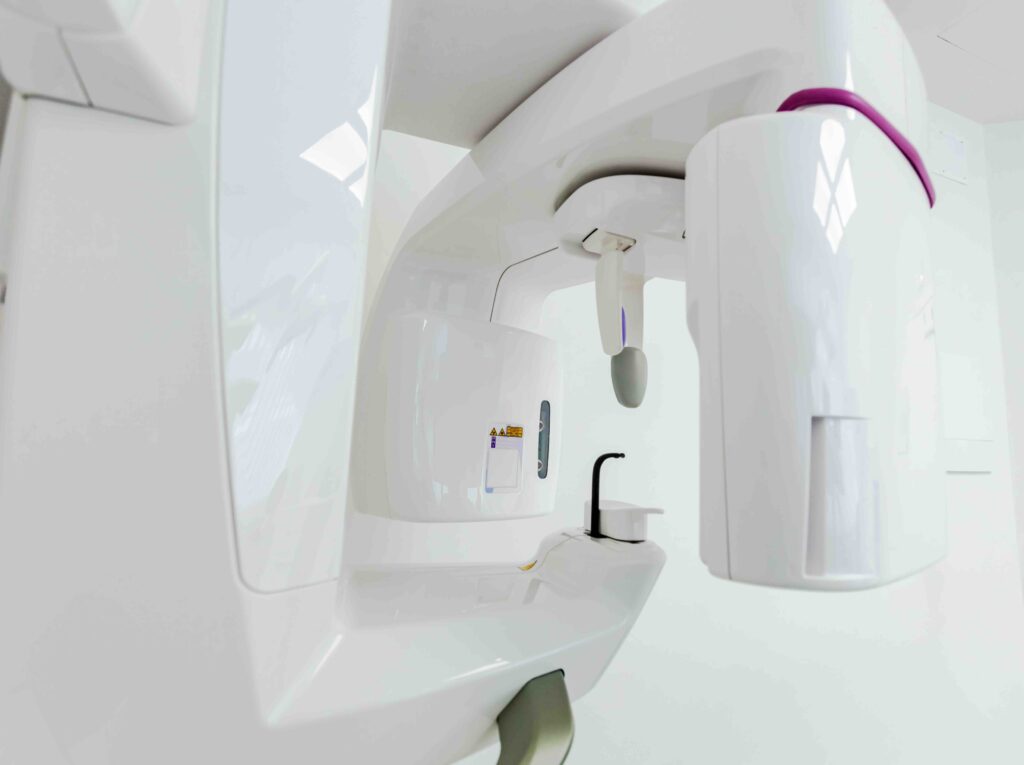
That might happen in the planning stage. Implant success depends heavily on diagnostics and positioning. A two-dimensional x-ray may miss details that a cone beam CT scan would catch, such as bone width, nerve location, sinus anatomy, or hidden pathology. Saving money by skipping proper imaging can cost far more later.
It might happen in the surgical stage. Sterile technique, careful drilling protocols, and case selection matter. A hurried surgical day with too many patients stacked back-to-back can turn a precise procedure into a production line.
It might happen in the restorative phase. This is the part many patients underestimate. An implant that integrates well but is restored with a poorly fitting crown, weak occlusion, or subpar components can create chronic frustration. Food traps, screw loosening, porcelain fracture, gum irritation, and bite problems often show up here, not necessarily at the day of surgery.
It can also happen after the case is "done." Good implant care includes follow-up. Tissue health, bite adjustment, hygiene instructions, and periodic radiographs all matter. A bargain treatment with no meaningful aftercare is often expensive in disguise.
The materials question, and why it matters more than marketing suggests
Patients are often told the implant is "premium" or "the same as the expensive brands." Sometimes that is true. Sometimes it is sales language with very little behind it.
Not every successful implant has to come from the most famous manufacturer, but brand and system compatibility do matter. Established implant systems usually offer broader restorative options, better long-term support, clearer documentation, and easier access to replacement parts if you move, lose a screw, or need repair years later. A lesser-known system might work perfectly well, but if the company disappears or the components are difficult to source, routine maintenance can become surprisingly complicated.
This issue is easy to dismiss until you need help. A patient relocates, sees a new dentist, and learns no one can identify the implant platform or order matching parts. What looked affordable at the start becomes expensive and inconvenient later.
That does not mean every off-brand implant is bad. It means you should ask what system will be used and whether the restorative components are widely available. Good clinics do not get defensive about that question.
Skill matters more than the headline price
Dental Implants are often marketed as products. In reality, they are clinician-dependent procedures. The training and judgment behind the placement can outweigh the brand of implant and the advertised fee.
Two surgeons can use the same implant system, yet produce very different outcomes. One may place it in ideal three-dimensional position with respect to bone, gum architecture, and future crown contour. Another may place it where it was easiest to put the implant, then ask the restorative dentist to somehow make the crown work. Patients may not notice the difference on day one. They notice it over time when food packs around the crown, the gum line looks unnatural, speech feels off, or cleaning becomes difficult.
Experience also matters in knowing when not to place an implant immediately, when to graft, when to stage treatment, and when another option may be better. Some of the most honest treatment plans I have seen were not the cheapest and not the most expensive. They were the ones where the clinician clearly recognized the limitations of the case and explained them without overselling.
That kind of judgment is worth paying for.
Financing can make good treatment accessible, but it can also blur reality
Many people are not comparing treatment cost so much as monthly payment. Clinics know this. A treatment plan may sound manageable when it is framed as a small monthly number spread over years. That can help patients get needed care, especially when they have no savings and real functional problems. Used responsibly, financing is useful.
Still, it can make a poor comparison feel attractive. A patient may approve a treatment plan without noticing the interest rate, the length of the loan, or the services that are not included. "Affordable" becomes a matter of monthly optics rather than total value.
I have seen patients choose a lower-priced implant plan with financing, only to face extra grafting fees, repair fees, or remake fees that were not obvious at the start. Their monthly payment looked gentle. Their total spend was not.
A straightforward conversation about total cost, financing terms, and what happens if something fails should be part of every serious implant consultation.
The hidden cost of complications
The single biggest mistake people make is assuming the savings exist only at the start of treatment. Real implant costs reveal themselves over years, not days.
A failed implant can require removal, grafting, healing, and replacement. Even when the failed implant itself is covered under some limited warranty, the associated costs often are not. Time off work, pain, travel, temporary tooth replacement, and specialist fees add up fast. If you traveled for care, follow-up becomes even harder.
Then there are sub-failures, which may not be dramatic enough to count as failure but still create expense. A crown that keeps loosening. Gum recession that makes the metal show. A bite issue that chips porcelain. A design that is difficult to floss and inflames the surrounding tissue. These are the cases patients often describe as "I wish I had known." The implant may technically still be in place, but the treatment was not really successful in the way people mean when they imagine getting their smile back.
Affordable care should reduce burden, not defer it.
When affordable Dental Implants make excellent sense
There are many situations where a lower fee is entirely sensible. A patient might choose a reputable clinic in a lower-cost region. A teaching institution or residency program may offer reduced fees under close supervision. A specialist practice that places implants every day may price treatment competitively because its systems are refined. A patient replacing a recently lost tooth with good bone and healthy gums may simply need less treatment than average.
In these cases, lower cost reflects efficiency, geography, or lower complexity. That is the kind of affordability worth pursuing.
Here is a practical way to think about it. You are not shopping for the lowest implant price. You are shopping for the best combination of diagnosis, skill, materials, communication, and follow-up that fits your budget.
That is a very different purchase.
Questions worth asking before you say yes
A strong implant consultation should leave you with fewer uncertainties, not more. You do not need to interrogate the office, but you do need clarity. If a clinic becomes evasive when basic questions come up, that is useful information.
- Does the quoted fee include the implant, abutment, and final crown, or only part of the process?
- Will I need a CT scan, extraction, grafting, or sinus work, and if so, what do those cost?
- What implant system do you use, and will parts be available if I need service later?
- Who places the implant and who restores it, and what happens if there is a complication?
- What follow-up care and warranty, if any, are included?
That short list can save patients from some very expensive surprises.
Why some patients are better served by alternatives
Not every missing tooth needs an implant, and not every patient is a good implant candidate right now. This is another area where price pressure can distort decision-making. Someone who has active periodontal disease, uncontrolled diabetes, heavy smoking habits, or severe clenching may need other issues addressed before implants make sense. In some mouths, a bridge or a removable option may be the more realistic choice, either temporarily or long-term.
There is no shame in that. Good dentistry is not about forcing everyone into the most marketable treatment. It is about matching the treatment to the biology, the budget, and the patient's actual priorities.
A retired patient who cares most about chewing comfort and wants to avoid surgery may reasonably choose a well-made partial denture. A younger patient with one missing front tooth may place a premium on gum contour and long-term bone preservation, making an implant especially valuable. A patient missing all lower teeth may do very well with an implant-supported overdenture rather than jumping straight to a more expensive fixed full-arch solution.
These are judgment calls, not sales scripts.
Dental tourism, with open eyes
Cross-border care deserves a fair discussion because it often enters the affordability conversation. Some patients have excellent outcomes. They work with established clinics, receive transparent treatment plans, save substantial money, and are happy with the result. Others come home with incomplete records, unclear implant systems, aggressive treatment performed too quickly, or prosthetics that local dentists are reluctant to adjust.
The critical issue is continuity. Implants need review, hygiene, and sometimes maintenance. If your treating clinic is hundreds or thousands of miles away, every small problem becomes harder to handle. If you are considering treatment abroad, ask for your full records, implant brand information, lot details if available, and a written plan for aftercare before you commit.
Travel can lower the initial bill. It can also shift risk to the patient.
The best affordable result is the one that lasts
Durability is the most overlooked part of affordability. A treatment that functions well and remains maintainable for many years is usually cheaper than a flashy deal that must be repaired, remade, or redone. This seems obvious when stated plainly, yet it is not how most implant advertising works. Advertising emphasizes access, speed, and transformation. Long-term maintenance is quieter and less glamorous. It is also where value lives.
A properly planned implant should allow you to clean around it, chew comfortably, maintain healthy surrounding tissue, and get routine service if needed. The crown should fit in a way that respects the gum and the bite. The records should be clear enough that another competent dentist can understand what was placed. None of that makes for dramatic marketing. All of it matters.
One of the more telling signs of a trustworthy office is that they talk about maintenance before you have even committed. They explain what the hygiene will require, how often they want to see you, what habits could shorten the lifespan of the work, and where uncertainties exist in your case. That is not negative selling. That is professionalism.
A sensible way to compare implant quotes
If you collect several opinions, compare them on more than price. Compare diagnosis. Did the clinicians agree on whether you need grafting? Did they take similar imaging? Did they explain timing in the same way? A higher quote may include things another office overlooked. A lower quote may reflect a genuinely simpler approach. You need enough detail to tell the difference.
A Dental Implants useful comparison usually includes these factors:
- what services are included from start to finish
- who performs each phase of treatment
- what materials and implant system are being used
- how complications and follow-up are handled
- how realistic the timeline is for your anatomy and health
That is still a short list, but it gets closer to the real decision than the headline number ever will.
Where patients most often regret trying to save money
The regrets are rarely about refusing luxury. They are usually about accepting uncertainty. Patients regret not asking what the quote covered. They regret proceeding without understanding whether grafting was needed. They regret choosing an office because the ad was persuasive, even though communication felt rushed. They regret not checking who would restore the implant or what would happen if the temporary tooth broke. They regret assuming all implants are basically the same.
What they almost never regret is paying for clarity, planning, and careful execution.
The better way to frame affordability is this: can I receive competent, maintainable implant treatment at a fee I can realistically handle, without exposing myself to unnecessary risk? That is Dental Implants a grounded question. It respects both the biology and the budget.
Affordable Dental Implants are real. So are incomplete quotes, low-cost shortcuts, and expensive repairs. The truth sits in the details, where it usually does in healthcare. If the office is transparent, the diagnosis is thorough, the treatment plan makes clinical sense, and the numbers hold up when everything is included, an affordable implant can be a smart investment. If the price depends on omissions, vagueness, or haste, it is not affordable at all. It is simply deferred cost wearing a pleasant label.
Oaks Dental
5000 Parkway Calabasas Suite 308
Calabasas, CA 91302, United States
+1 818-431-2000
FAQ About Dental Implants
What is the downside of a dental implant?
Implants require surgery and a healing period that can last several months. Possible complications include infection, nerve or sinus injury, damage to nearby teeth and failure to bond with bone. Your dentist should assess your health, bone support and alternatives before recommending treatment.
What do dental implants typically cost?
There is no single price for every implant case. The number of teeth replaced, implant components, final restoration and any grafting or extractions affect the total. Request a written estimate covering every stage and confirm insurance benefits and out-of-pocket costs with the practice.
How long do tooth implants last?
An implant can provide long-term support and may last a lifetime with good oral hygiene and regular dental care, but this is not guaranteed. The crown or other restoration may need replacement sooner. Smoking, gum disease and some health conditions can reduce implant success.