What to Expect From Dental Implants in Calabasas CA
Losing a tooth changes more than a smile. It affects how you chew, how clearly you speak, and, over time, how your jawbone holds its shape. People usually feel the change in small daily moments first. Food gets trapped in a gap. You start favoring one side when you chew. A front tooth space makes you think twice before laughing in photos. For many adults, dental implants offer a durable, natural-feeling answer, but the process is more involved than placing a filling or a crown.
If you are researching Dental Implants Calabasas CA, it helps to know what treatment actually looks like from the patient side, not just the marketing version. The best implant cases are carefully planned, customized to the person’s health and bone structure, and paced in a way that protects long-term results. A good outcome is not just a tooth that looks nice on day one. It is a replacement that stays stable, supports the bite, and remains healthy for years.
Why implants are different from other tooth replacements
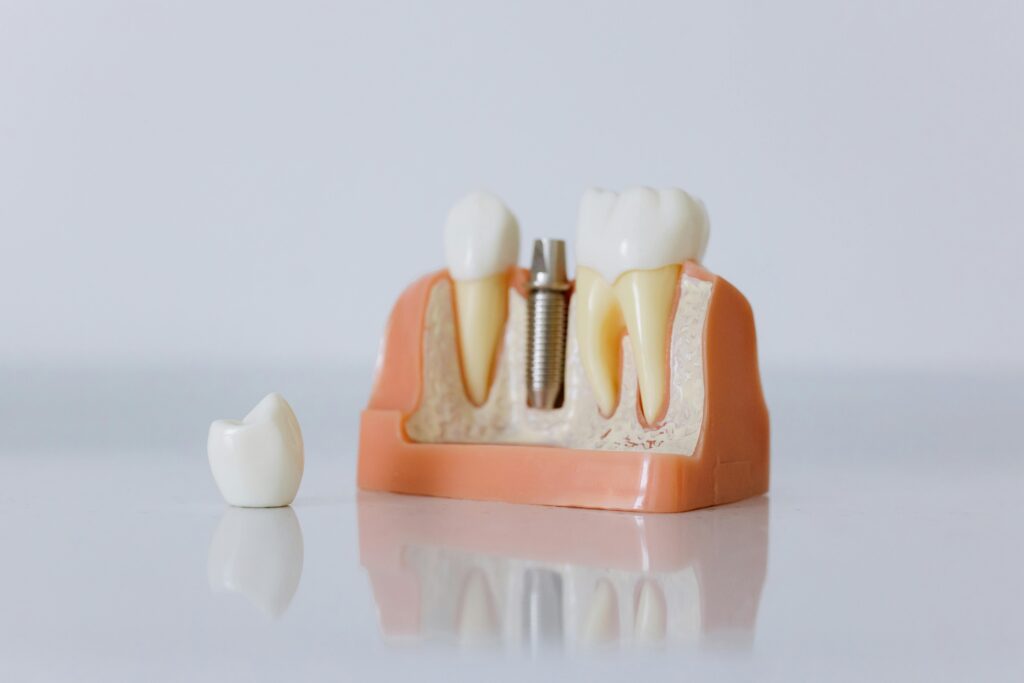
A dental implant replaces the root of a missing tooth, not just the visible part above the gumline. That distinction matters. Traditional bridges sit on neighboring teeth, which means those teeth may need to be reduced to support the restoration. Removable dentures can restore appearance and function, but they do not anchor into bone the same way an implant does. An implant is placed into the jaw, typically made of titanium or a similarly biocompatible material, and then topped with a crown, bridge, or denture depending on how many teeth are missing.
Patients often focus first on looks, which is understandable, especially when a visible tooth is involved. In practice, the deeper benefit is stability. A well-integrated implant can feel much closer to a natural tooth when you chew and Dental Implants Calabasas CA speak. It also helps preserve bone in the area. When a tooth is lost, the jawbone there begins to resorb because it no longer receives regular stimulation from the root. That bone loss can subtly alter facial contours over time, particularly when several teeth are missing.
This is one reason implant dentistry tends to be discussed in terms of long-term oral health, not only cosmetic improvement. People often come in asking for “a new tooth,” but what they really need is a plan that considers gum health, bite forces, spacing, bone volume, and adjacent teeth.
The first appointment is usually more diagnostic than procedural
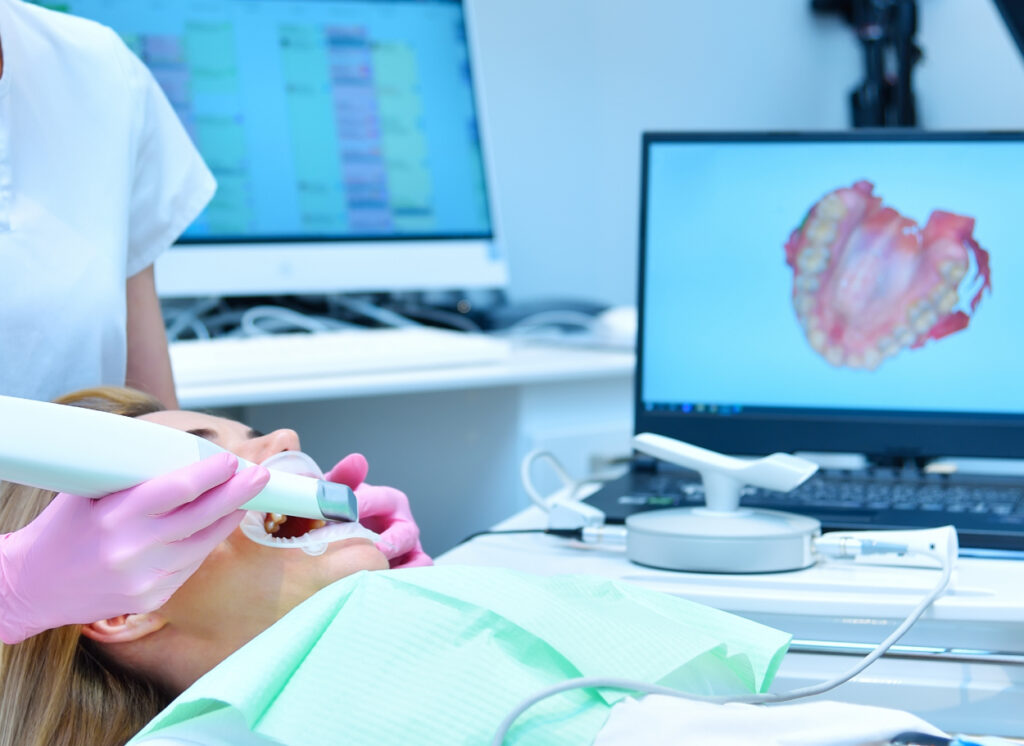
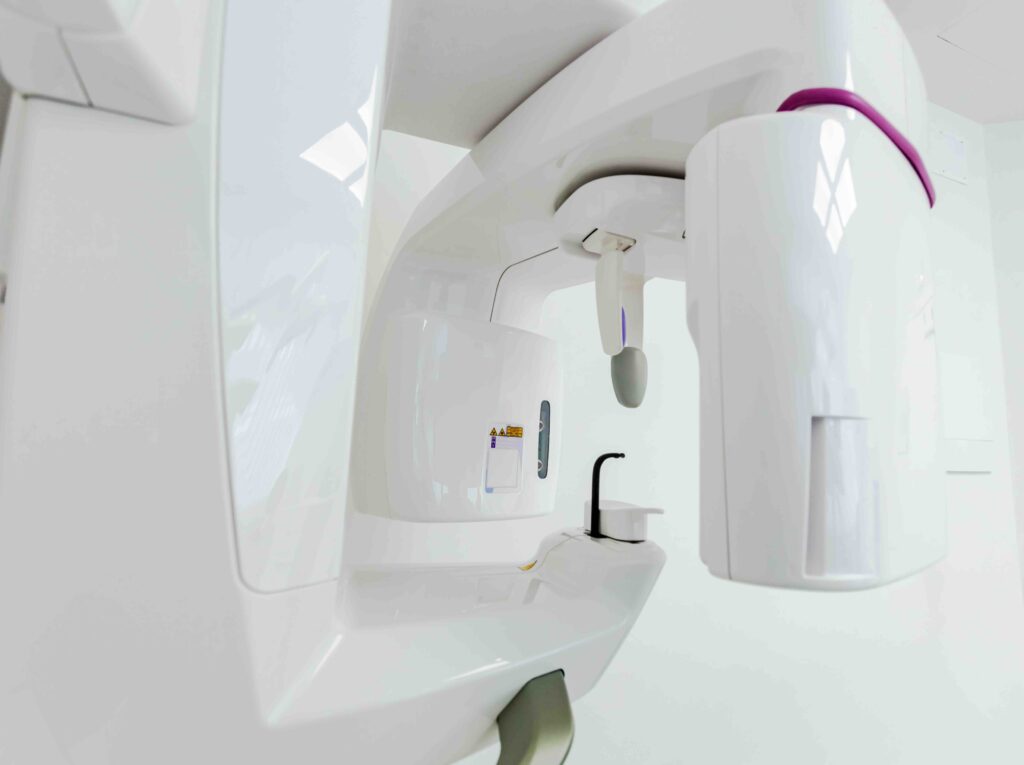
One of the most common misunderstandings is that implant treatment begins with surgery right away. In reality, the early phase is usually about evaluation. Expect a detailed exam, a review of your medical and dental history, and imaging that allows the dentist or specialist to study the bone and surrounding anatomy. In many practices, a 3D scan is part of the planning process because it provides a much clearer picture than a standard 2D image.
This is where important questions get answered. Is there enough bone height and width to support the implant? Is the missing tooth in an area with heavy bite pressure? Are the gums healthy enough to support treatment? Is there an old infection that has to be addressed first? If a tooth has been missing for years, has the neighboring tooth tilted into the space? These details influence both timing and complexity.
The consultation is also where a patient learns whether treatment will be straightforward or staged. Some cases allow implant placement soon after extraction. Others require bone grafting, gum treatment, or a healing period before the implant can be placed safely. People sometimes feel discouraged when they hear they need a preliminary procedure, but thoughtful preparation often makes the difference between an implant that simply exists and one that truly lasts.
Candidacy depends on more than age
Many adults assume they may be “too old” for implants. In most cases, age by itself is not the deciding factor. Overall health, bone quality, healing capacity, and oral hygiene habits carry more weight. It is not unusual for healthy patients in their sixties, seventies, or beyond to do very well with implant treatment.
That said, certain factors can complicate healing or reduce predictability. Smoking is a major one. Poorly controlled diabetes can also increase risks. Active gum disease, heavy grinding, and some medications or medical conditions may affect the plan. None of that automatically rules implants out, but it does mean the provider should assess risk honestly. Good clinicians do not promise the same timeline or success profile to every patient because mouths are not all built the same, and neither are healing patterns.
A patient who brushes carefully but has neglected cleanings for a few years may still be a good candidate after periodontal treatment. Someone else with excellent home care but severe nighttime clenching might need a protective night guard to protect the investment. These are practical realities, and they should be part of the conversation from the start.
What the implant process usually involves
The process often unfolds over several months, though exact timing varies widely. If the tooth is already missing and the bone is healthy, the first surgical phase may simply be implant placement. If the tooth needs to be extracted first, the socket may require grafting, immediate implant placement, or a period of healing before the next step. After the implant is placed, the bone needs time to fuse to its surface. That biologic process, called osseointegration, cannot be rushed beyond what the tissue can support.
Patients in Calabasas often ask whether they will walk out with a tooth the same day. Sometimes yes, sometimes no. Immediate temporary teeth are possible in selected cases, especially in cosmetic areas, but they are not appropriate in every situation. Stability at the time of placement, bite conditions, and esthetic demands all matter. A same-day temporary can be a great option when planned well. It can also become a problem if it is used mainly as a selling point rather than a clinical decision.
Once integration is complete, the implant is restored. That stage includes impressions or digital scans, shade matching, bite refinement, and placement of the final crown or prosthesis. From the patient’s point of view, this is often the rewarding part because the tooth begins to look and function like a settled, permanent part of the mouth.
If bone grafting is recommended, that is not a red flag
Patients often tense up when they hear the words “bone graft.” It sounds dramatic, but in implant dentistry it is common and, in many cases, routine. A graft may be recommended if the jaw has thinned after a tooth was lost, if infection damaged the socket, or if the area naturally lacks enough volume for a secure placement.
A graft can be minor or more involved depending on the location and the amount of deficiency. Small grafts after extraction are frequently done to preserve the socket for future implant placement. Larger grafts may be necessary in areas where the bone has resorbed significantly. What matters most is not whether grafting is proposed, but whether the reasoning is clear and the expectations are realistic.
In well-run cases, grafting is presented as part of creating a stable foundation, not as an upsell. That distinction becomes obvious when the provider explains the anatomy, shows the imaging, and discusses what will happen if treatment proceeds without enough support. When bone is inadequate, forcing an implant into the plan can lead to poor angulation, gum recession, or failure.
What recovery really feels like
Implant surgery is surgery, but most patients are surprised that recovery is manageable. The discomfort after a straightforward single implant is often less intense than what people imagine. Swelling, tenderness, and mild bruising are common, especially during the first several days. Many patients do well with standard pain control measures and a soft diet for a short period.
The experience changes if extractions, grafting, or multiple implants are involved. Full-arch cases, sinus procedures, or extensive reconstruction can mean a more significant recovery. Even then, discomfort is only one part of healing. The bigger challenge for some patients is patience. Soft foods, careful hygiene, avoiding pressure on the area, and attending follow-up visits are what protect the result.
The practical side of recovery matters. If you have an important work event, travel, or public appearance coming up, timing should be discussed in advance. Mild swelling may not matter if the implant is in the back of the mouth, but a front-tooth procedure may call for more scheduling strategy. People appreciate this kind of planning because it reflects real life, not just textbook treatment.
Esthetics in Calabasas often matter just as much as function
In a community where appearance can carry professional and social weight, many patients asking about Dental Implants Calabasas CA are just as concerned about symmetry, gumline shape, and color match as they are about chewing. That is especially true for front teeth. Replacing a visible upper incisor, for example, is one of the most technique-sensitive tasks in dentistry. The challenge is not simply filling a space. It is creating a restoration that blends with the neighboring teeth and supports the gum tissue naturally.
This is where experience shows. The best cosmetic implant work respects tiny details, the angle of emergence through the gum, the contour where the crown meets the tissue, the position of the implant beneath the surface, the translucency of the ceramic, and the way the smile moves when a person talks. Patients sometimes compare implants only by price, but esthetic zones are not commodity procedures. A low fee does not feel like a savings if the tooth looks flat, bulky, or obviously artificial.
A strong implant plan for a visible area may involve collaboration between the surgeon, restorative dentist, and lab. That coordination often predicts the quality of the final result.
Costs vary, and the cheapest treatment is not always the least expensive
Implants are an investment, and patients deserve straight talk about that. Costs depend on the number of implants, whether an extraction is needed, whether grafting is necessary, what type of restoration is being placed, and who is performing each stage. A single implant crown case is very different from a full-arch reconstruction.
When comparing fees, it helps to understand what is included. Some estimates cover only the surgical placement, while others include the abutment, crown, imaging, sedation, temporary restorations, and follow-up care. A quote that looks lower at first glance may not represent the full cost of treatment. The opposite can also be true. A higher fee may reflect more advanced planning, higher-quality materials, or coordination among specialists.
Patients who value transparency should ask specific questions during the consultation. A few that matter most are:
- Does the quoted fee include the implant, abutment, and final crown?
- Are imaging, sedation, temporaries, and follow-up visits included?
- If grafting is needed, is that a separate fee?
- Who handles each phase of treatment?
- What happens if a complication or implant failure occurs?
These questions are not confrontational. They are practical. A good office should welcome them.
How to judge an implant provider
Most patients are not in a position to evaluate surgical technique directly, so they need other ways to assess quality. Start with communication. A strong provider explains what they see, what they recommend, and why. They also discuss limitations. If someone guarantees perfect results without talking about risk, healing variables, or maintenance, that is usually not a good sign.
Look for careful planning and case selection. In implant dentistry, good judgment often shows up before any treatment begins. The provider should review your health history thoroughly, evaluate your bite, and talk about long-term maintenance. If your gums are inflamed, they should address that. If you grind your teeth, they should mention protection. If the esthetics are complex, they should say so.
Photos of past work can be helpful, but they should not be your only standard. A glossy smile gallery does not tell you whether cases were stable five years later. Ask how maintenance works. Ask who to call if a crown loosens or a gum issue develops. Dependable implant care is not just a one-day event. It is part of an ongoing relationship with the practice.
Life with implants after treatment
A well-restored implant can feel remarkably normal, but it is not a “set it and forget it” solution. The implant itself cannot decay, but the surrounding tissues can still develop inflammation if plaque accumulates. Patients sometimes assume an implant needs less attention than a natural tooth. In reality, it needs excellent hygiene and regular professional monitoring.
Daily care usually includes brushing thoroughly around the gumline and cleaning between teeth with the tools your dental team recommends. For a single implant, that may feel no different from caring for a natural tooth. For bridges or implant-supported dentures, cleaning can be more involved. The specific design of the restoration affects how easy it is to maintain, which is one reason practical hygiene should factor into treatment planning.
The bite should also be checked over time. Crowns can wear. People clench. Teeth shift subtly. Small adjustments and routine maintenance protect the larger investment. Most implant problems do not appear overnight. They develop gradually, which is exactly why regular exams matter.
Situations where expectations should be measured carefully
Implants are highly successful, but they are not magic. There are cases where the path is slower, more expensive, or less ideal than patients hoped. Long-standing tooth loss can mean significant bone shrinkage. Severe gum disease can compromise neighboring teeth and the tissue support around an implant. High esthetic demands in the front of the mouth can limit what is realistically achievable, especially if the original gum architecture has already collapsed.
This is where honest treatment planning is critical. A dentist with experience will distinguish between “possible” and “predictable.” Yes, many difficult cases can be treated, but not all with the same speed, cost, or cosmetic certainty. Patients generally appreciate directness when it is delivered clearly and respectfully. The biggest disappointment usually comes not from a complex plan, but from a simplified sales pitch that ignores complexity until later.
There is also a difference between replacing one missing tooth and rebuilding an entire bite. Full-mouth implant cases can be life-changing, particularly for patients who have struggled with failing dentures or repeated extractions. They also require a much deeper planning process. The stakes are higher, and the need for provider experience becomes even more important.
Why local follow-up matters
Choosing a provider close to home is not just a convenience issue. It can make aftercare easier, especially when several visits are required across different stages. Implant treatment often involves a sequence of appointments for healing checks, scans, impressions, try-ins, and final placement. If a temporary crown feels off, if a healing cap irritates the gum, or if you have a question about cleaning, being able to return without a major logistical burden is valuable.
For patients seeking Dental Implants Calabasas CA, local care also means the dental team may be more attuned to patient priorities common in the area, including esthetics, scheduling flexibility, and discreet treatment planning. That does not guarantee quality, of course, but familiarity with patient expectations can improve the experience when paired with strong clinical standards.
The best results come from matching the plan to the person
No two implant cases are exactly alike. A healthy thirty-five-year-old who lost a molar in a sports injury has a very different path from a seventy-year-old patient replacing multiple teeth after years of bone loss. The goal in both situations may be a stable, natural-looking result, but the route there should reflect the realities of each mouth and each life.
That is what you should expect from good implant care in Calabasas: a process that starts with diagnosis, not assumptions; recommendations based on anatomy and health, not sales pressure; and a final restoration designed to function well and look believable. When that happens, patients usually stop thinking about the implant as a procedure and start experiencing it as part of ordinary life. They eat without second-guessing. They smile without hesitation. They forget the gap was ever there.
That quiet sense of normalcy is the real promise of dental implants. Not perfection, not instant results, and not a one-size-fits-all fix. Just a carefully built replacement that restores comfort, confidence, and daily function in a way that feels dependable.
Oaks Dental
5000 Parkway Calabasas, Suite 308
Calabasas, CA 91302, United States
Phone: +1 (818) 412-8349
FAQ About Dental Implants Calabasas CA
How much does a dental implant cost in California?
Costs vary with the number of teeth replaced, restoration type, imaging, and any extractions or bone grafting. Request an itemized estimate after an examination; a single advertised price may not include every treatment stage.
Can people with autoimmune disease get dental implants?
Some people may qualify, but the condition, medications, oral health, and healing risks require individual assessment. Share your medical history with your dentist, who may coordinate with your treating physician.
Can you have dental implants if you have osteopenia?
Osteopenia does not by itself establish whether implants are suitable. Your dentist must evaluate jawbone support and review bone-related medications and other risks before recommending treatment.